Delving into "Virtual Interior Design Services: What Modsy Can’t Tell You", this introduction immerses readers in a unique and compelling narrative, with casual formal language style that is both engaging and thought-provoking from the very first sentence.
Virtual interior design services offer a modern twist to traditional design methods, allowing users to visualize and customize their spaces with the help of technology. In this overview, we will explore the nuances of virtual interior design services and uncover what Modsy might not disclose to its users.
Virtual Interior Design Services
Virtual interior design services offer a convenient and innovative way to design and decorate your space without the need for in-person meetings. Through online platforms and tools, professional interior designers can create customized design plans tailored to your style and needs.
Benefits of Using Virtual Interior Design Services
- Convenience: Virtual interior design services allow you to work with a designer from the comfort of your own home, eliminating the need for in-person meetings and site visits.
- Cost-Effective: Virtual services often come at a lower price point compared to traditional in-person design services, making professional design more accessible to a wider audience.
- Efficiency: With virtual design services, the design process can be streamlined, allowing for faster turnaround times and quicker project completion.
- Accessibility: Virtual interior design services open up the opportunity to work with top designers from around the world, giving you access to a wider range of styles and expertise.
Comparison to Traditional In-Person Services
While traditional in-person interior design services offer the advantage of face-to-face interaction and on-site assessments, virtual services provide a more flexible and cost-effective alternative. Virtual design allows for a more efficient and convenient design process, with the ability to communicate and collaborate with designers remotely.
Additionally, virtual services can often result in quicker design turnaround times and a more diverse selection of design styles to choose from.
Modsy Overview
Modsy is a virtual interior design platform that allows users to visualize and design their spaces with the help of professional designers. It offers a unique experience by combining 3D technology with expert design advice to create personalized and realistic room designs.
Features Offered by Modsy
- Personalized Design Plans: Modsy provides users with personalized design plans based on their style preferences, budget, and room dimensions.
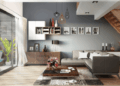
- 3D Visualizations: Users can see their room designs come to life with realistic 3D renderings that showcase furniture placement and decor ideas.
- Expert Design Advice: Professional designers offer personalized recommendations and styling tips to help users achieve their desired look.
- Virtual Shopping Experience: Modsy allows users to shop for furniture and decor directly from their design plans, making it easy to bring their vision to life.
How Modsy Functions
Modsy functions by allowing users to take a style quiz to determine their design preferences and then upload photos and measurements of their space. Professional designers use this information to create 3D renderings of the room, complete with furniture and decor suggestions.
Users can then interact with the designs, swap out items, and purchase products directly through the platform to complete their room makeover.
Limitations of Modsy
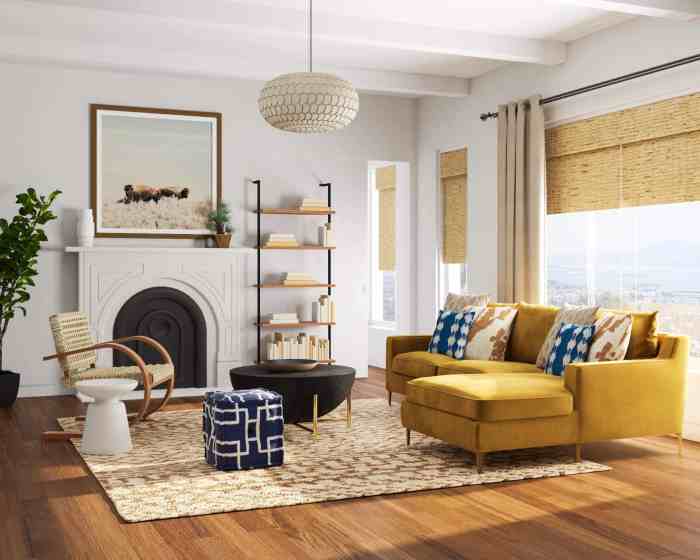
While Modsy offers many benefits for virtual interior design, there are also limitations that users should be aware of before using the service.
Customization Constraints
One limitation of Modsy is the level of customization it offers. Users may find that they are limited in their ability to fully personalize their designs beyond the options provided by the platform.
Limited Design Styles
Modsy may not offer a wide range of design styles, which can be a drawback for users looking for specific aesthetics that are not covered by the available options on the platform.
Communication Challenges
Another limitation of Modsy is the potential for communication challenges between users and designers. Since the process is virtual, there may be misunderstandings or difficulties in conveying preferences effectively.
Personalization and Customization
When it comes to virtual interior design services, personalization and customization play a crucial role in creating a space that truly reflects the client's style and preferences. These services offer users the opportunity to tailor designs to their specific needs and tastes, ensuring a more personalized experience.
Level of Personalization
Virtual interior design platforms like Modsy allow users to input their preferences, such as color schemes, furniture styles, and room layouts. Based on this information, designers create customized design concepts that align with the client's vision. This level of personalization ensures that the final design reflects the individual's unique style and personality.
Tailoring Designs to Preferences
Users can interact with designers through virtual platforms to provide feedback and make changes to the initial design concepts
Impact of Personalization
Personalization not only enhances the overall design experience but also results in spaces that feel truly personalized and unique. By incorporating the client's preferences into the design, virtual interior design services create spaces that are not only aesthetically pleasing but also functional and reflective of the client's lifestyle.
This level of customization ensures that the final design is a true representation of the client's personality and taste.
Communication and Collaboration
Effective communication and collaboration are crucial components of successful virtual interior design projects. They ensure that the client's vision is accurately translated into the final design and that any feedback or revisions are promptly addressed. Let's explore how communication and collaboration are facilitated in virtual interior design services.
Virtual Communication Channels
In virtual interior design services, communication between users and designers is typically facilitated through various channels such as email, messaging platforms, video calls, and virtual design tools. These channels allow for real-time interactions and seamless sharing of ideas, feedback, and design concepts.
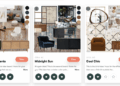
- Designers often use virtual design tools to create mood boards, 3D renderings, and floor plans, which clients can review and provide feedback on.
- Clients can communicate their preferences, style choices, and budget constraints through email or messaging platforms, ensuring that designers have all the necessary information to create a personalized design.
- Regular video calls enable designers and clients to discuss project updates, address any concerns, and collaborate on design decisions effectively.
Collaborative Design Process
Working with a virtual design team involves a collaborative approach where both designers and clients actively participate in the design process. This collaboration allows for a more personalized and tailored design that meets the client's specific needs and preferences.
- Designers often seek feedback and input from clients at various stages of the design process to ensure that the final design aligns with the client's vision.
- Clients can share inspiration images, color swatches, and furniture preferences with designers, helping them understand the client's style and design aesthetic.
- By actively collaborating with the design team, clients can provide valuable insights and suggestions that contribute to the overall success of the project.
Design Process and Flexibility
When it comes to virtual interior design services, the design process is crucial in bringing your vision to life. Let's delve into how flexibility plays a significant role in adjusting designs and concepts virtually, as well as how the design process differs in virtual settings compared to traditional methods.
Typical Design Process in Virtual Interior Design Services:
In virtual interior design services, the typical design process involves several key steps to ensure the creation of a personalized and functional space. Here's a breakdown of the typical design process:
- Initial Consultation: The designer gathers information about your style preferences, budget, and requirements.
- Concept Development: Based on the initial consultation, the designer creates a concept board or mood board to capture the overall look and feel of the space.
- Design Presentation: The designer presents the design concepts, including 2D and 3D renderings, furniture layouts, and color schemes.
- Feedback and Revisions: Clients provide feedback on the design concepts, and revisions are made as needed to ensure the final design meets their expectations.
- Final Design Delivery: Once the design is finalized, the designer provides a detailed design plan with recommendations for furniture, decor, and accessories.
Flexibility in Adjusting Designs Virtually:
Flexibility is a key advantage of virtual interior design services, as it allows for quick adjustments and revisions to designs without the need for in-person meetings or site visits. Designers can easily make changes to layouts, colors, and furniture arrangements based on client feedback, ensuring that the final design reflects the client's vision accurately.
Differences in Design Process in Virtual Settings:
In virtual settings, the design process differs from traditional methods in terms of communication, collaboration, and visualization. Virtual interior design services rely heavily on digital tools and software to create realistic 2D and 3D renderings, making it easier for clients to visualize the final design before making any major decisions.
Additionally, the ability to communicate and collaborate virtually allows for a more streamlined and efficient design process, saving time and resources for both designers and clients.
Concluding Remarks
In conclusion, navigating the realm of virtual interior design services unveils a world of possibilities and limitations. As we consider the insights shared about Modsy and its counterparts, it's evident that personalized design experiences and effective communication are key components in shaping exceptional spaces virtually.
Answers to Common Questions
What level of personalization can users expect from virtual interior design services??
Users can expect a high degree of personalization when using virtual interior design services, as they have the flexibility to customize various aspects of their design to suit their preferences.
How does communication work between users and designers in virtual interior design services??
Communication in virtual interior design services is typically facilitated through online platforms, where users can share ideas, feedback, and collaborate with designers seamlessly.
What sets apart the design process in virtual interior design services from traditional methods??
The design process in virtual interior design services involves more flexibility and adaptability, allowing users to make real-time adjustments to their designs and concepts with ease.