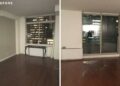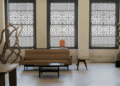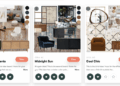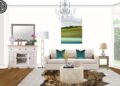
"Step into the world of interior styling mastery with our online masterclass. Uncover the secrets to transforming spaces and creating stunning designs that resonate. Get ready to explore a journey filled with creativity, innovation, and professional insights."
"Discover the essentials of interior styling, from fundamentals to practical skills, and unleash your artistic flair like never before."
Introduction to Interior Styling Masterclass
Interior styling plays a crucial role in creating aesthetically pleasing and functional spaces. Whether it's a home, office, or commercial establishment, the way a space is styled can greatly impact the overall ambiance and mood. Learning interior styling is essential for individuals looking to pursue a career in the design industry or simply enhance their personal space.
Enrolling in an online masterclass dedicated to interior styling can offer aspiring stylists numerous benefits. From the convenience of learning from anywhere with an internet connection to gaining insights and tips from industry professionals, online masterclasses provide a flexible and comprehensive learning experience.
Benefits of Participating in the Masterclass
- Understanding the principles of interior styling, including color theory, spatial planning, and furniture arrangement.
- Exploring different design styles and trends to develop a unique and personal aesthetic.
- Learning practical skills such as creating mood boards, selecting decor elements, and working with clients.
- Receiving feedback and guidance from experienced instructors to refine your styling techniques.
Fundamentals of Interior Styling
Interior styling involves several key elements that work together to create a cohesive and visually appealing space. These elements include color, texture, lighting, and furniture placement, each playing a crucial role in the overall design.
Color Impact on Space
Color is one of the most powerful tools in interior styling, capable of transforming the mood and atmosphere of a room. For example, warm colors like red and orange can create a sense of coziness and intimacy, while cool colors like blue and green can evoke a calming and serene ambiance.
Understanding color theory and how different colors interact is essential for creating a harmonious space.
Texture Influence in Design
Texture adds depth and visual interest to a space, making it more inviting and engaging. Combining different textures like smooth surfaces, rough textiles, and glossy finishes can create a dynamic and tactile experience. For instance, a plush rug paired with a sleek leather sofa can add contrast and balance to a room, enhancing its overall appeal.
Role of Lighting in Interior Styling
Lighting is a crucial element that can significantly impact the look and feel of a space. Proper lighting can highlight architectural features, accentuate decor elements, and create different moods depending on the intensity and color temperature of the light. Whether it's natural light streaming through windows or strategically placed artificial lighting fixtures, lighting plays a key role in enhancing the overall design aesthetic.
Furniture Placement for Balance
The way furniture is arranged in a room can make a significant difference in how the space feels and functions. Furniture placement should take into account the flow of traffic, focal points, and the scale of the room to ensure a harmonious layout.
For example, arranging furniture in a conversational grouping can promote social interaction, while keeping pathways clear can enhance the functionality of the space.
Developing Your Style
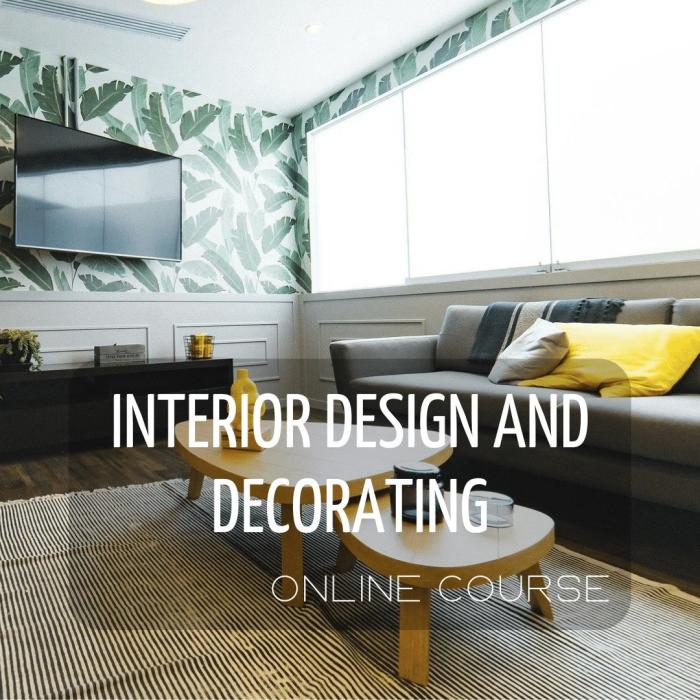
Finding your unique interior styling aesthetic is a journey that involves exploring your preferences, interests, and personality. It's about creating a space that reflects who you are and what you love. Here are some tips to help you curate a cohesive look for a room and incorporate different interior styling trends into your own style.
Curating a Cohesive Look
- Start by choosing a color palette that resonates with you and sets the tone for the space. Consider the mood you want to create and select colors accordingly.
- Focus on a central theme or style that inspires you, whether it's modern, vintage, minimalist, or eclectic. This will guide your design decisions and ensure a cohesive look.
- Mix and match textures, patterns, and materials to add depth and interest to the room. Experiment with different combinations to find what works best for your style.
- Pay attention to scale and proportion when selecting furniture and decor items. Ensure they complement each other and fit well within the space.
Incorporating Interior Styling Trends
- Stay updated on the latest interior styling trends by following design blogs, magazines, and social media accounts. Take note of what resonates with you and how you can incorporate these trends into your own style.
- Experiment with small changes first, such as adding trendy accessories or swapping out throw pillows, to see how they fit within your existing aesthetic.
- Don't be afraid to mix and match trends to create a unique look that reflects your personality. Blend classic elements with current trends for a timeless yet modern style.
- Consider the functionality and practicality of trendy items before incorporating them into your space. Choose pieces that not only look good but also serve a purpose in your daily life.
Practical Skills and Techniques
Interior styling involves a range of hands-on skills and techniques that are essential for creating visually appealing spaces. From developing mood boards to spatial planning, sourcing materials, and working within budget constraints, mastering these skills is key to achieving professional results in interior styling projects.
Mood Boards
Creating mood boards is a crucial part of the interior styling process as they help visualize the overall look and feel of a space. In the masterclass, you will learn how to curate images, color palettes, textures, and materials to communicate your design concept effectively.
Spatial Planning
Effective spatial planning is essential for optimizing the layout and flow of a room. You will be guided on how to assess space, furniture placement, and traffic flow to create functional and aesthetically pleasing interiors.
Sourcing Materials and Decor
Guidance will be provided on how to source materials, furniture, and decor items to bring your design vision to life
Working Within Budget
One of the challenges in interior styling is achieving a high-end look while working within budget constraints. Tips and strategies will be shared on how to prioritize spending, find budget-friendly alternatives, and make the most of limited resources without compromising on style and quality.
Case Studies and Real-World Applications
Exploring successful interior styling projects through case studies can provide valuable insights into the process and techniques used. It allows aspiring stylists to understand how different design elements come together to create a cohesive and visually appealing space.
Approaching Different Types of Spaces
When styling residential spaces, it is essential to consider the personal preferences and lifestyle of the occupants. Understanding their needs and creating a space that reflects their personality is key. On the other hand, commercial spaces require a different approach, focusing on functionality, branding, and creating an inviting atmosphere for customers or employees.
- Residential Spaces:
Personalization and comfort are essential when styling residential spaces. Consider factors such as color schemes, furniture placement, and lighting to create a welcoming and cozy environment.
- Commercial Spaces:
Commercial spaces should reflect the brand identity and cater to the target audience. Utilize elements like signage, branding materials, and layout to create a space that aligns with the brand's values and attracts customers.
Collaborating with Clients and Understanding Their Needs
Effective communication and collaboration with clients are crucial in interior styling projects. By actively listening to their preferences, understanding their vision, and incorporating their feedback, stylists can create spaces that meet the clients' expectations and exceed their needs.
- Active Listening:
Listening to clients' ideas, concerns, and preferences is essential for a successful collaboration. It helps in understanding their vision and allows stylists to tailor their designs to meet the clients' expectations.
- Feedback Incorporation:
Integrating clients' feedback throughout the design process ensures that the final outcome aligns with their expectations. It also helps in building a strong client-stylist relationship based on trust and mutual understanding.
Marketing Yourself as an Interior Stylist
As an interior stylist, establishing a strong presence in the industry is crucial for attracting clients and building a successful career. Here, we will delve into strategies for showcasing your work, the significance of networking, and tips for thriving as an interior stylist.
Building a Portfolio and Showcasing Your Work
Creating a compelling portfolio is essential for demonstrating your skills and style to potential clients. Here are some key points to consider:
- Curate a diverse portfolio that showcases a range of projects, styles, and techniques.
- Include high-quality images that highlight your attention to detail and unique approach.
- Create a professional website or social media presence to display your work online.
- Seek opportunities to collaborate with photographers or publications to enhance your portfolio.
Importance of Networking in the Interior Styling Industry
Networking plays a vital role in expanding your connections, gaining exposure, and securing new projects. Consider the following:
- Attend industry events, trade shows, and workshops to meet fellow professionals and potential clients.
- Join online platforms and forums dedicated to interior styling to engage with the community and share your work.
- Cultivate relationships with interior designers, real estate agents, and home stagers to tap into referral networks.
- Consider partnering with home décor brands or furniture stores to increase your visibility.
Tips for Attracting Clients and Establishing a Successful Career
To attract clients and carve out a successful career as an interior stylist, keep these pointers in mind:
- Identify your target market and tailor your marketing efforts to appeal to their specific needs and preferences.
- Showcase your expertise through blog posts, workshops, or guest appearances to position yourself as an authority in the field.
- Offer exceptional customer service and maintain open communication with clients to build trust and loyalty.
- Seek feedback from clients to continuously improve your services and adapt to changing trends.
End of Discussion
"As we conclude this enriching discussion, remember that mastering interior styling is not just about decorating spaces; it's about crafting experiences. Embrace your unique style, hone your skills, and let your creativity shine in every room you touch."
Question Bank
"How can learning interior styling benefit me?"
"Learning interior styling can empower you to transform spaces, express your creativity, and potentially pursue a career in the design industry."
"What can I expect to learn from the masterclass?"
"The masterclass covers fundamentals, practical skills, developing your style, real-world applications, and strategies for marketing yourself as an interior stylist."
"How do I find my unique interior styling aesthetic?"
"Finding your style involves exploring different trends, curating cohesive looks, and experimenting with colors, textures, and lighting to discover what resonates with you."